
Are Dog Boarding Services Safe? Here's What You Need to Know
As pet ownership continues to rise, more individuals are searching for reliable ways to care for their dogs when they are away. In recent years, dog boarding services have witnessed a significant increase in popularity as more people embrace pet ownership. According to Statista, over 65% of households own at least one pet, creating substantial demand for pet care services. This upward trend reflects the growing need for reliable pet care options that accommodate the busy lifestyles of modern pet owners. Dog boarding services have become a popular option for many pet owners, providing a solution for their short-term and often spontaneous needs. This article aims to shed light on the safety measures dog boarding facilities employ and guide you in making informed decisions for your beloved four-legged companions.
Assessing Facility Conditions
Size and Space Available for Dogs
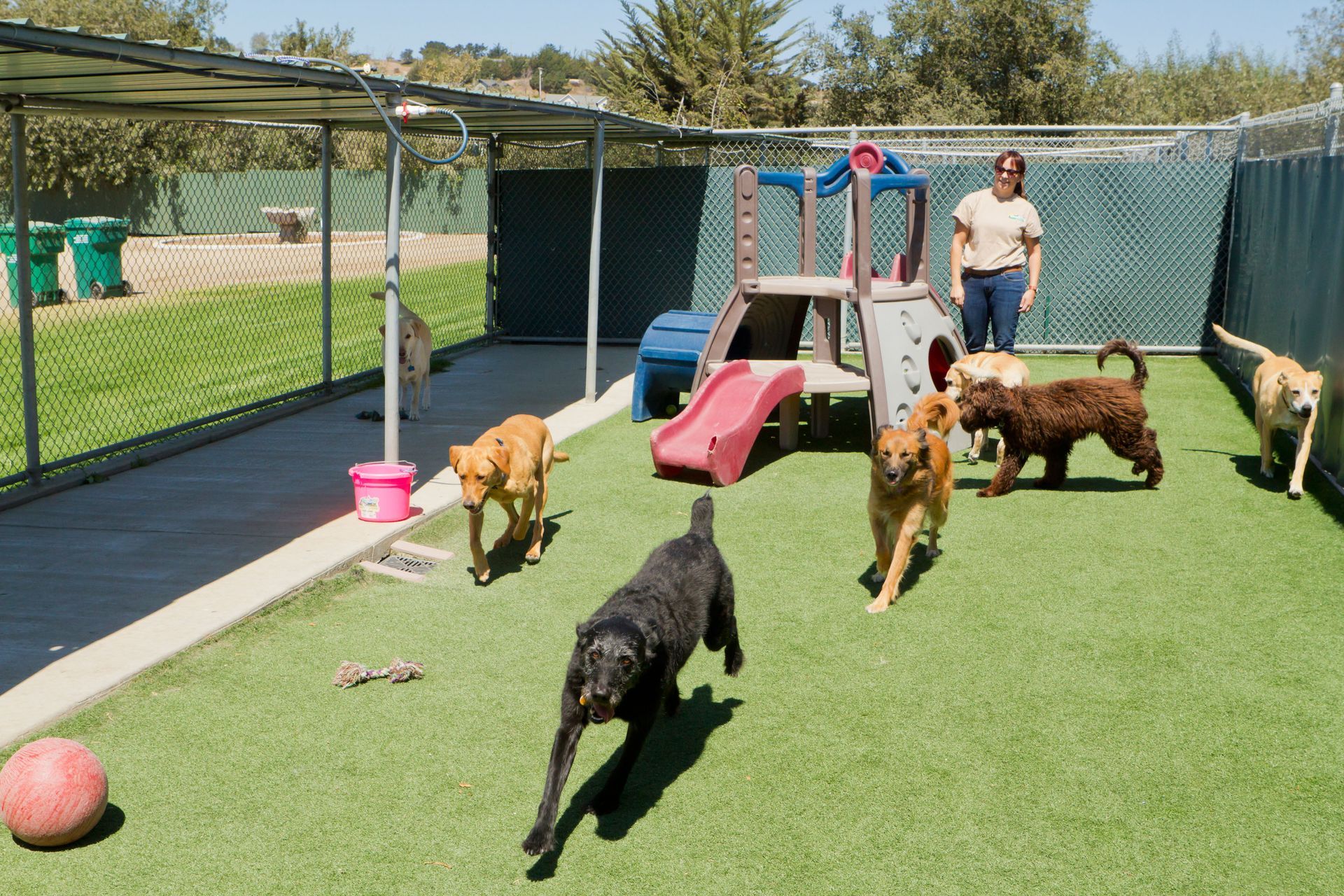
The available size and space for dogs to move around are critical factors in assessing a boarding facility's suitability. Dogs require ample space to exercise, play, and relax comfortably, which helps prevent stress and anxiety. Facilities should provide designated areas for different activities, ensuring dogs can engage in both solitary and social play. Overcrowding can lead to tension and increase the risk of diseases spreading among the animals. Pet owners should evaluate the layout and space allocations during visits to ensure their pets will have room to thrive.
Sleeping Arrangements and Comfort
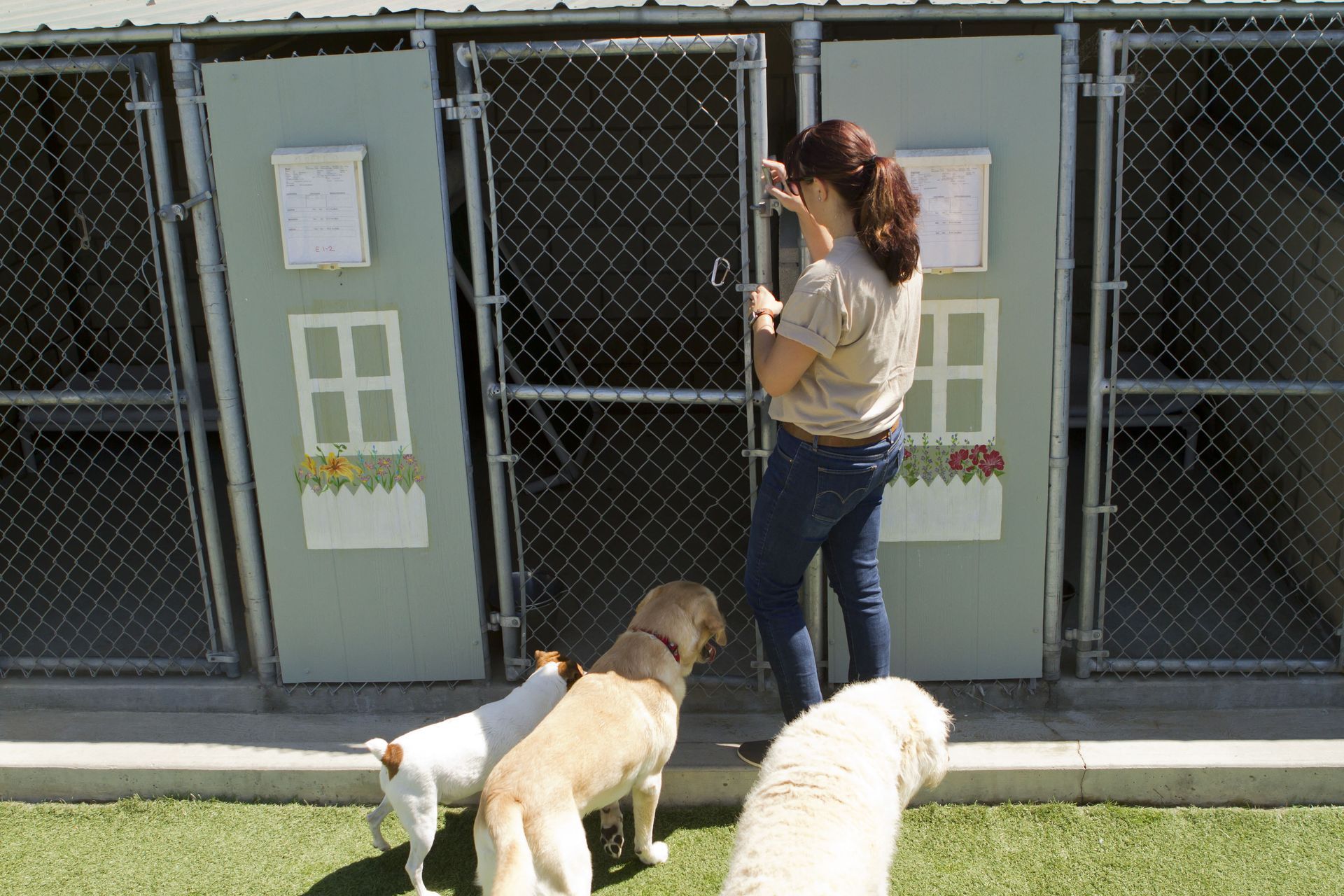
Comfortable and safe sleeping arrangements are crucial for ensuring the well-being of dogs in boarding facilities. A reputable facility should offer clean, well-ventilated sleeping quarters with appropriate bedding tailored to the needs of each dog. The environment should promote relaxation, reduce stress levels, and encourage restful sleep. Factors such as temperature control, noise levels, and the option for crate-free resting can significantly impact a dog's comfort. Observing these conditions during a site visit can help pet owners gauge the facility's commitment to providing quality rest areas for their dogs.
Daily Exercise and Play Schedules
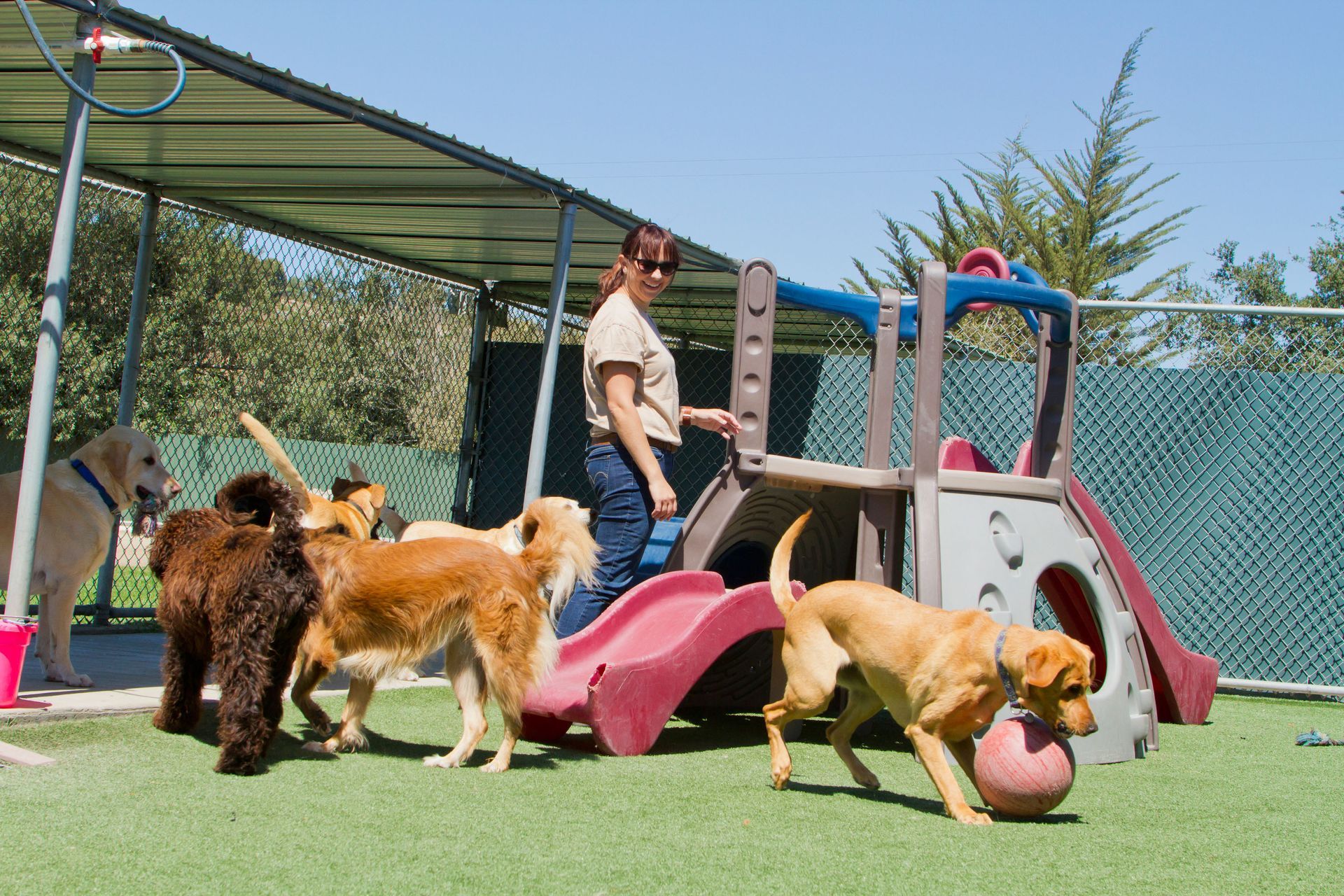
Regular exercise and play are vital components of maintaining a dog's physical and mental well-being in a boarding setting. Facilities should have structured schedules that incorporate playtime, social interactions, and individualized activities tailored to the dog's age, breed, and energy levels. Skilled staff can facilitate safe and enriching play sessions, encouraging healthy behavior and fostering social skills. Access to various toys and interactive games further enhances the dog's boarding experience. Pet owners should inquire about daily routines during their selection process, ensuring their pets will remain active and engaged during their stay.
Interaction with Other Dogs
Interactions with other dogs can be a valuable part of dog boarding services, offering companionship and socialization opportunities. Facilities should carefully manage and supervise group interactions to ensure safe and positive encounters among dogs. Proper screening before play sessions helps match dogs with compatible temperaments, reducing the risk of conflict and stress. Structured group activities can offer dogs new experiences, fostering learning and adaptation. Pet owners should inquire about the facility's approach to socialization, ensuring their pets will benefit from a balanced interaction routine.
Temperature and Environmental Control
Proper temperature and environmental control are essential in ensuring a safe and comfortable stay for dogs in boarding facilities. Heated spaces in winter and air-conditioned areas in summer help maintain optimum temperature levels suitable for the dogs. Good ventilation reduces odors and supports a healthy environment by preventing the spread of airborne pathogens. Facilities should have protocols to address extreme weather conditions, ensuring dogs remain safe and comfortable regardless of external temperatures. Observing these provisions during a site visit can help pet owners assess the facility's ability to maintain a safe environment.
Health and Well-Being of Dogs
Vaccination and Health Requirements
Ensuring that all boarders are up-to-date with vaccinations and health checks is vital for maintaining a safe environment. Boarding facilities should have strict policies requiring proof of vaccinations such as rabies, distemper, and parvovirus before accepting dogs. These precautions help prevent the spread of contagious diseases and ensure the overall health of the pet population in care. Regular health screening also enables early identification of potential issues, promoting timely intervention and treatment. Pet owners should prioritize facilities with comprehensive health requirements to safeguard their dogs' well-being.
Dietary Considerations and Feeding Schedules
A consistent and tailored diet is crucial in maintaining a dog's health during its stay with a provider of dog boarding services. Reputable facilities should adhere to specific dietary needs and feeding schedules provided by pet owners, ensuring continuity and preventing digestive issues. Access to fresh water and supervision during mealtimes can prevent dehydration and help detect early signs of appetite loss. Staff competence in recognizing dietary allergies or sensitivities further ensures canine health and comfort. Pet owners should inquire about diet management policies, ensuring their pets will continue to receive appropriate nutrition while away from home.
Regular Health Checkups
Routine health checkups are essential in monitoring the well-being of dogs in a boarding facility. Periodic veterinary visits and health assessments can identify potential issues early, preventing the escalation of illnesses or injuries. The facility should have protocols for health monitoring, with trained staff noting changes in behavior, appetite, or physical condition. By maintaining detailed health records, facilities can ensure continuity of care, providing relevant information to veterinarians and pet owners as needed. Pet owners should consider facilities that prioritize regular health evaluations and the welfare of their animals.
Measures for Stress Reduction
Effective stress-reduction measures are important in promoting a positive boarding experience for dogs. Facilities should employ a variety of techniques to alleviate anxiety, such as soothing music, calming pheromones, or interactive toys. Structured routines and consistent interaction with familiar staff members can provide reassurance and a sense of security. Understanding individual behavior nuances allows staff to tailor stress management approaches, enhancing the dog's overall comfort. Pet owners should evaluate the facility's commitment to stress reduction strategies and ensure their pets will receive appropriate support.
Monitoring for Signs of Illness
Vigilant monitoring for signs of illness is crucial in maintaining a healthy environment for dog boarding services. Staff should be trained to identify early indicators of illness, such as decreased appetite, lethargy, or behavioral changes. Prompt response to potential health issues through veterinary consultation or isolation protocols prevents the spread of diseases and ensures timely treatment. Regular health evaluations help track the progression or resolution of health concerns, promoting continued well-being. Pet owners should prioritize facilities that demonstrate a strong commitment to health monitoring and proactive care approaches.
When carefully evaluated, dog boarding services can offer safe and reliable care for pets entrusted to them. Pet owners should diligently assess facilities based on key safety considerations, health practices, and client feedback to inform their decisions. Ultimately, choosing a facility that prioritizes comfort, security, and the well-being of its canine guests ensures a positive experience for all involved. As dog boarding services continue to evolve and meet the needs of modern pet owners, understanding and assessing safety remain crucial in selecting the best provider. In making informed choices, pet owners can enjoy peace of mind, knowing their beloved companions are in capable and caring hands.
Choosing the right dog boarding facility is an important decision that directly impacts your pet's safety, comfort, and overall experience while you are away. By carefully evaluating factors such as space, cleanliness, daily routines, socialization practices, and environmental conditions, pet owners can better determine whether a facility meets the needs of their dog. Attention to health protocols, including vaccination requirements, diet management, and ongoing monitoring, further reflects a facility's commitment to maintaining a safe and supportive environment.
Beyond the physical setup, the quality of care provided by staff plays a significant role in ensuring a positive boarding experience. Facilities that prioritize stress reduction, individualized attention, and proactive health measures help create a setting where dogs can remain relaxed and well cared for. As demand for dog boarding services continues to grow, taking the time to assess these key elements allows pet owners to make confident, informed choices. With the right preparation and evaluation, you can feel comfortable knowing your dog is in a secure and attentive environment while you are away. Reach out to Bark City today for boarding services for your furry buddy.

Share On: